Kerala Urban Conclave 2025

Join the Kerala Urban Conclave 2025 in Kochi — a global platform driving innovative urban governance, showcasing Kerala’s inclusive development, and shaping the future through dialogue, diversity, and transformative policy action.

12-13 September'25

Grand Hyatt, Kochi

Our Official App

0+

Speakers

0+

Attendees

0+

Countries

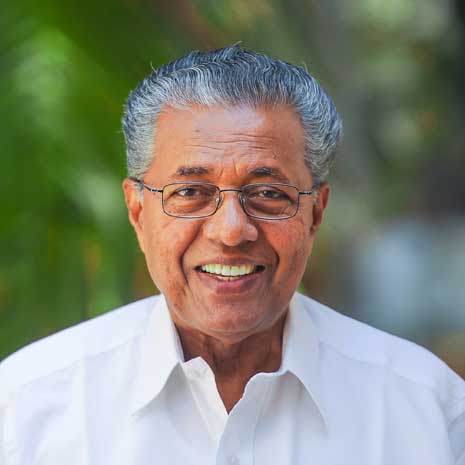
CM of Kerala

Shri. Pinarayi Vijayan

Chief Minister, Kerala

Urban Minister

Shri. M.B. Rajesh

Minister for Local Self Governments, Excise, and Parliamentary Affairs, Government of Kerala

About

What is Kerala Urban Conclave (KUC)?

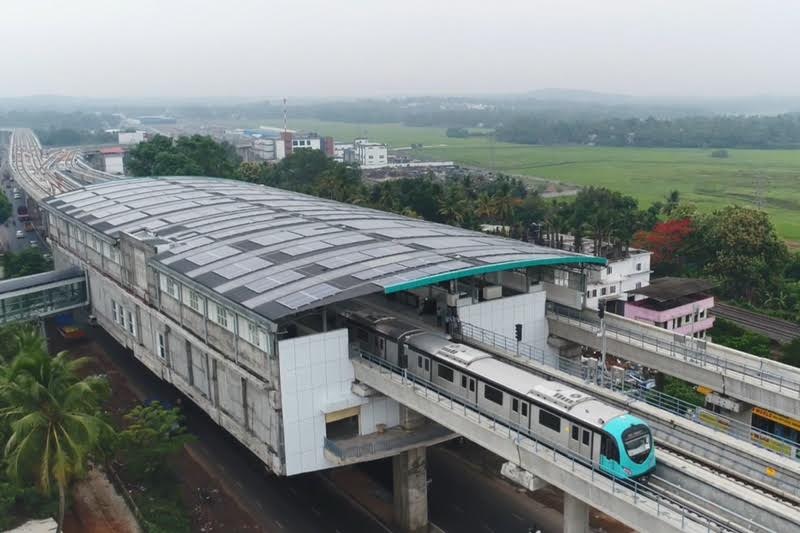
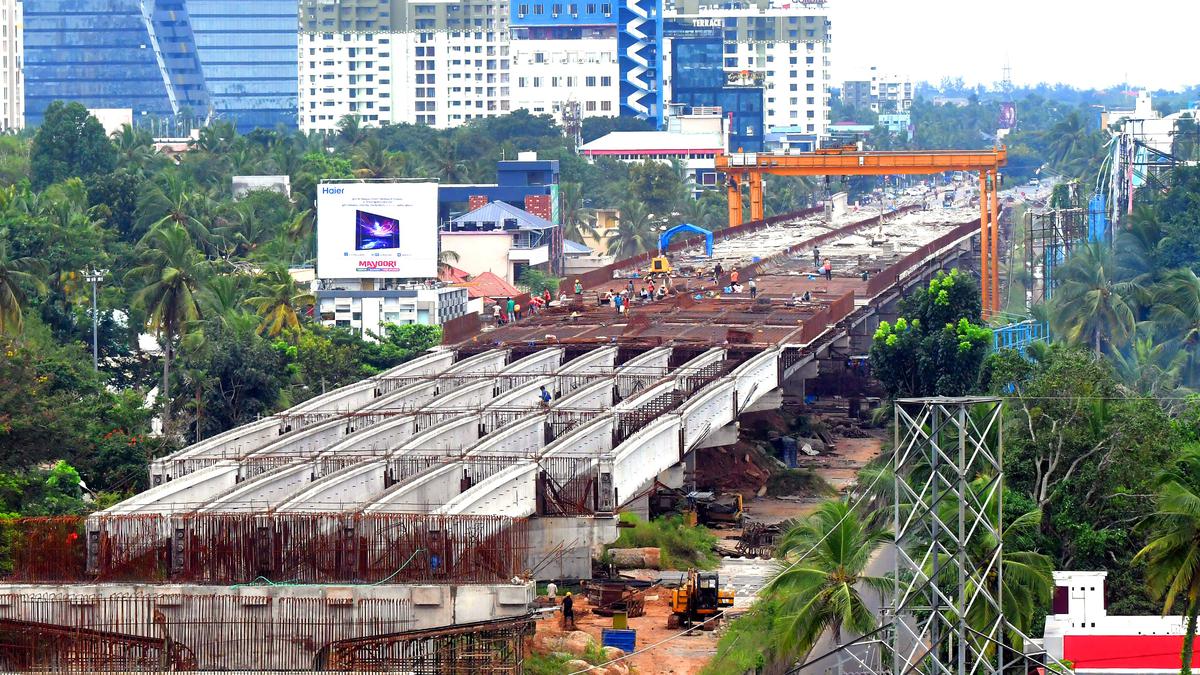
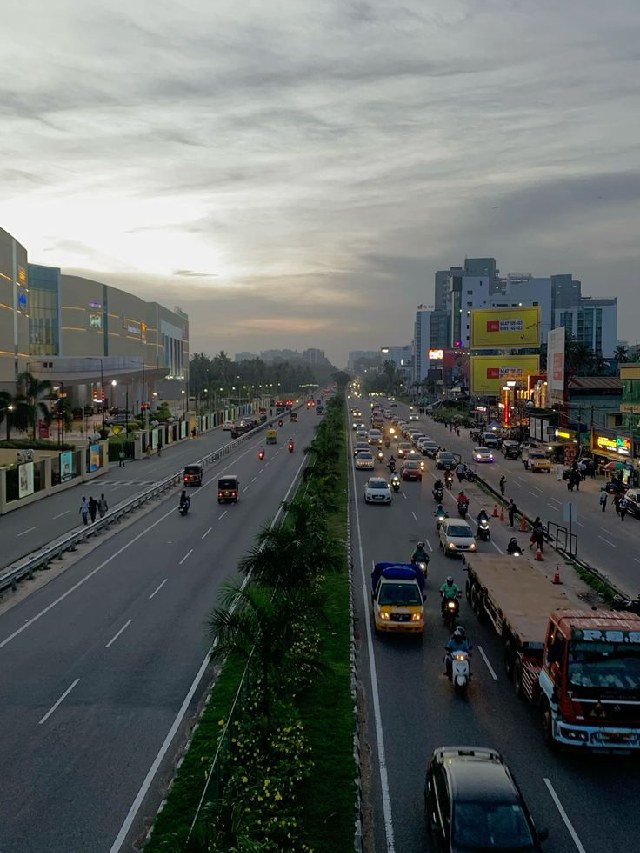
The Kerala Urban Conclave 2025 is an important urban development conference organized by the Local Self Government Department (LSGD), Government of Kerala. It will take place on September 12-13, 2025, at The Grand Hyatt, Kochi. This Conclave will bring together a diverse group of participants, including policymakers, urban planners, researchers, elected representatives, international experts, and civil society leaders.

The main focus of this event is to shape the future of sustainable urban development in Kerala during a time of rapid urbanization in the state. The Conclave will provide a platform to:Discuss the recommendations from the Kerala Urban Policy Commission, which was formed in December 2023 and submitted its final report in March 2025.

Examine global and national best practices in urban planning, governance, and resilience.Explore opportunities for investment, capacity building, and policy-research collaboration.

Under the leadership of LSGD, the Conclave will include 10 thematic sessions that address key urban issues such as infrastructure, climate resilience, inclusive growth, and smart governance. The event is also expected to attract participants from multiple countries and 56 international cities, with potential partnerships being explored with many global academic and government institutions.

The Kerala Urban Conclave 2025 represents a strategic effort by the state government to establish Kerala as a leader in people-centered, sustainable urban development for the future.

Image 1 Image 2

The Kerala Approach to
Urban Development

Local Expertise Meets Global Insights

The Kerala Urban Conference fosters deep engagement between national and local contexts with global urban experts. This collaborative approach ensures that comprehensive practices and insightfully shaped solutions respect specific urban challenges and opportunities.


Multi-Perspective Governance

Our inclusive model brings together policymakers, practitioners, academic institutions, and civil society to co-create practical and scalable solutions for democratic, participative and sustainable urban growth.

Why Kerala?

A Vision Driven by Purpose

Positioned at the intersection of literacy, innovation, and inclusivity, Kerala leads as a model for sustainable development and progressive governance.

0%

Vision Driven

0%

Mission Focused

0%

Goal Oriented

Ten Thematic Pillars

To address the multifaceted challenges of urban development, the Kerala Urban Policy Commission has been entrusted with designing targeted policy frameworks to tackle key pressure points.

With such a comprehensive scope, the commission ensures that no aspect of urban transformation is overlooked. Comprising a diverse group of academics, policy experts, and public servants, the commission brings together decades of real-world experience to craft policies that will shape a sustainable, inclusive, and resilient future for Kerala.

Kerala Urban Conclave
12th - 13th September 2025
Grand Hyatt, Kochi
Kerala Urban Conclave
12th - 13th September 2025
Grand Hyatt, Kochi
Kerala Urban Conclave
12th - 13th September 2025
Grand Hyatt, Kochi
Kerala Urban Conclave
12th - 13th September 2025
Grand Hyatt, Kochi

Reimagining Kerala's Urban Future

Kerala is charting a bold path toward urban excellence—where innovation, inclusivity, and sustainability come together to shape vibrant communities and future-ready cities.

01

From Riskscape to a Resilient Society

Kerala is strategically poised to capitalise on the several advantages present in its geography, demography and cultural ethos. However, as events in the recent past have shown, these advantages can quickly turn into liabilities if the risks inherent to the overarching environmental and social structures are not resolutely addressed. These risks become apparent in the face of an existential crisis such as the Kerala Floods and the ongoing challenge of heatwaves in the urban areas. As such, it is essential to transition from a risk -prone social setup to a proactive society that prioritises resilience in the face of global uncertainty. Resilience, therefore, has been made a key objective of the Kerala Urban Policy Commission, which looks to consciously engage the environmental, economic and social substrate that Kerala provides to inform a holistic policy framework that engenders a sense of security in the face of existing risks.

02

Policy, Planning and Design Convergence

Traditionally, statecraft in the global South has been largely reactive, with policies emerging as responses to pressing challenges rather than proactive planning. This approach, often reliant on ad-hoc committees and short-term fixes, has struggled to withstand shifts in the political and economic landscape, leading to inconsistent policy execution. Recognising these limitations,Kerala has taken a pioneering step by establishing the Urban Policy Commission, setting a precedent within India and the global South, for structured and forward -thinking plans for urban governance. What sets this initiative apart is its dedicated focus on urban spaces, highlighting Kerala’s commitment to planned, sustainable urban development. More importantly, the commission bridges the gap between policy theory and practical implementation, ensuring that policy decisions are not just well-conceived but also aligned with real-world urban planning and design needs. By supporting an enlightened, strategic planning process, the Commission aimed to drive cohesive, long-term urban transformation, reinforcing and reorienting Kerala’s leadership towards progressive and sustainable urban governance. To facilitate the institutionalisation of sustainable and inclusive practices, there is a need for greater convergence across institutional systems and scales through regular exchanges between policies, planning and designing strategies. Since Kerala has key sectoral policies/strategies such as industry, housing, tourism, higher education and design apart from the new urban policy, the state can be a showcase model for this convergence.

03

Embracing Global Trends & Creative Potential

Staying ahead in the global skill market is not just about maintaining a competitive edge—it is about unlocking the creative potential within a society and channelling it into productive avenues that benefit the community. Kerala, with its strong social institutions, has long been recognised for its commitment to investing in the welfare and capacity of its people. This dedication is reflected in the rich cultural landscape of the state, exemplified by events such as the Kerala Literature Festival, the Kerala Film Festival, and numerous dance and theatre celebrations. Kerala’s creative excellence has also earned international recognition, with Kozhikode and Thrissur recently designated as UNESCO Cities of Literature and Learning, reinforcing the state’s active engagement in the creative economy. While challenges remain, Kerala’s youth-driven creativity and entrepreneurial spirit continue to break barriers. The state’s emergence as a leading start-up ecosystem is a testament to this resilience. The Kerala Urban Conclave will serve as a platform to celebrate these achievements and explore how they can be further leveraged to enhance the vibrancy and sustainability of cities in Kerala.

04

Advancing Governance Through Digital Enablement

One of the special areas taken up by the Commission was Digital Planning and Governance. Under the advice of the Commission, a Task Force was constituted under the Chairmanship of the Director, NIT Calicut. It underscored the urgent need to integrate digital technologies into governance. In an era when seamless digital adaptation is key to societal success, Kerala is committed to ensuring its people can fully engage transparently with evolving digital platforms. One of the most transformative impacts of technology lies in streamlining governance—eliminating myopic bureaucratic silos that have traditionally hindered effective spatial governance. By embracing digital tools, Kerala aims to declutter administrative processes, enabling more efficient and responsive urban management. As similar initiatives gain momentum across India, Kerala continues to stay ahead of the curve, aligning with national digital advancements while reinforcing its leadership in governance and digital transformation. Information Kerala Mission, anautonomous body under LSGD, has implemented a pioneering initiative called ‘K-Smart’ Kerala Solutions for Managing Administrative Reformation and Transformation). As a highly informed society with a deep permeation of digital technologies, the state can harness ‘hyperlocal data’ for modernising spatial planning and local governance. In all, the democratisation of Data across all parastatal institutions will be imperative to advance informed development

05

Fiscally Healthy Local Governments

While concerns about Kerala’s fiscal health persist, it is essential to recognise the rationale behind its expenditure model. Unlike any other state in India, Kerala has prioritised people-centric development, often described as ‘welfarism’. This approach has resulted in unparalleled progress in health, education, and social welfare, setting Kerala apart from the rest of the country. However,ensuring the long-term fiscal health of local governments goes beyond budgetary concerns. The key lies in empowering local bodies by enhancing their capacity for independent action, aligning with Kerala’s tradition of democratic decentralisation. The Kerala Urban Conclave will serve as an ideal platform to explore innovative solutions for strengthening local government finances. One promising avenue is engaging Kerala’s global diaspora, leveraging their expertise and resources to contribute meaningfully to local governance and economic sustainability. By fostering such collaborative models, Kerala can reinforce its leadership in progressive, decentralised governance while ensuring fiscal resilience at the local level.

06

Inclusive, Plural and Thriving Communities

Societies which have been seeking exclusivity are compromising on long-term progress. Around the world, exclusionist attitudes have led to social discord, i.e., South Asians, Travelling Communities, and Hispanic labourers. To prevent such divisions, inclusivity must be a guiding principle across policies, plans and designs, ensuring that diversity is consciously and compassionately integrated into cultural and political frameworks. One powerful tool for fostering inclusivity is language sensitivity. In an increasingly diverse society, language can either be a source of division or a bridge to mutual respect and social cohesion. However, inclusion extends beyond culture—it also involves physical ability, gender, and age, all of which must be systematically addressed to create an equitable and welcoming environment. The key shift needed is in the narrative around diversity—moving away from seeing ‘the other’ as a burden and instead recognising diverse populations as valuable assets that contribute to a society’s strength, resilience, and innovation. By embracing pluralism, Kerala can continue to build thriving, inclusive communities that set a model for the rest of the world.

07

Engaged Governance: Bridging Policy and People

Governance systems worldwide often struggle with bureaucratic distance, resulting in both democratic and political deficits, making it difficult to remain truly connected to the people they serve. Recognising this challenge, Kerala’s Urban Policy Commission was established with a core mandate: to ensure constant engagement with stakeholders at the ground level, allowing theirvoices to shape policy outcomes. This model of engaged governance ensures that no section of society is overlooked, fostering a truly collective and collaborative decision-making process. It reaffirms governance as a dynamic exchange between policymakers and citizens rather than a top-down approach. The Kerala Urban Conclave will serve as a global platform to identify areas for strengthening citizen participation and explore ways to integrate these insights into governance structures. A more involved and empowered population will enable governance systems to align with the aspirations of the people, transforming them from administrative regulators into active enablers of progress and opportunity.

High Level Political Forum

Hon'ble Dr. Anura Karunathilake

Minister of Urban Development, Construction and Housing Sri Lanka

Hon'ble Nga Kor Ming

Minister of Housing and Local Governance Malaysia

Hon'ble Martin Meyer

Member of Executive Council for Public Works and Infrastructure KwaZulu-Natal Province, South Africa

Mayor Cyril Xaba

Hon’ble Mayor Durban, South Africa

Mayor Adam Azim

Mayor of Malé, Maldives

View More

Kerala Urban Policy Commission Members

Prof. M Satish Kumar

Prof. M Satish Kumar

Chairperson

Dean, Queen’s University Belfast-GIFT City Campus & Professor of Global Development and Social Transformation
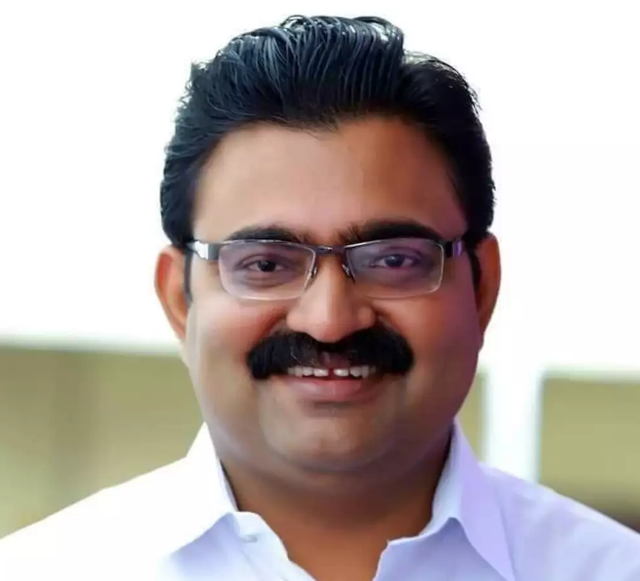
Adv. M Anil Kumar

Adv. M Anil Kumar

Co-Chair

Hon. Mayor, Kochi Municipal Corporation & President, Mayors’ Council, Kerala
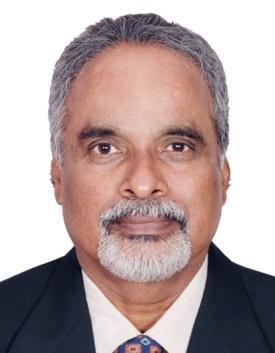
Dr. E. Narayanan

Dr. E. Narayanan

Co-Chair

International Urban Development Expert, World Bank & ADB
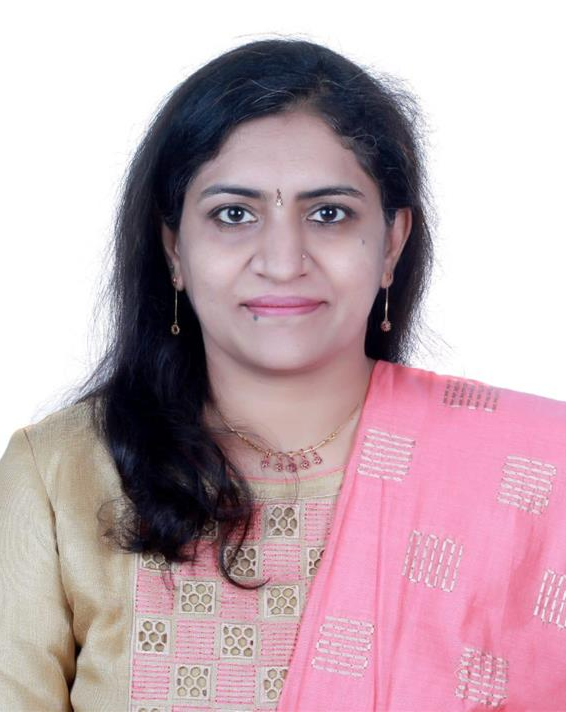
Dr. Sharmila Mary Joseph, IAS

Dr. Sharmila Mary Joseph, IAS

Member Secretary

IAS
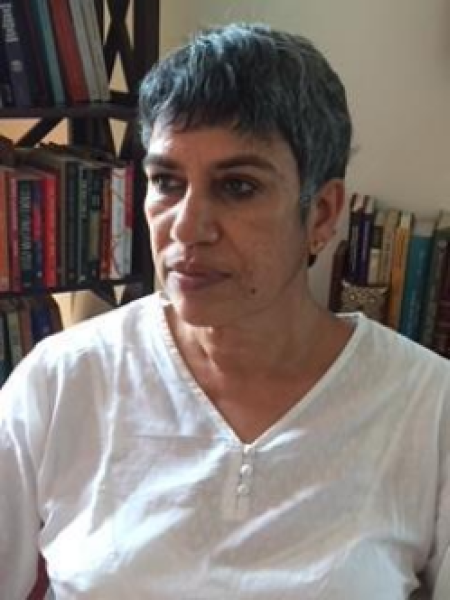
Dr. Janaki Nair

Dr. Janaki Nair

Member

Professor (Retd), Centre for Historical Studies, JNU.
Sri. M Krishnadas

Sri. M Krishnadas

Member

Chairperson, Guruvayur Municipality & Chairperson, Chamber of Municipal Chairmen.
Prof. Dr. K. S. James

Prof. Dr. K. S. James

Member

Senior Visiting Scholar, Newcomb Institute, Tulane University Former Director, International Institute of Population Studies, Mumba
Sri. V. Suresh

Sri. V. Suresh

Member

Former CMD, HUDCO, Government of India, New Delhi
Sri. Hitesh Vaidya

Sri. Hitesh Vaidya

Member

Former Director, National Institute of Urban Affairs, Government of India, New Delhi
Prof. Dr. Ashok Kumar

Prof. Dr. Ashok Kumar

Member

Dean, School of Planning and Architecture, New Delhi
Dr. Y. V. N. Krishnamoorthi

Dr. Y. V. N. Krishnamoorthi

Member

Former Director of NRSC, IIRS, and Former Registrar, IIST, Thiruvananthapuram
Prof. K. T. Raveendran

Prof. K. T. Raveendran

Member

Academic Advisor, RICS School of Built Environment, Noida
Sri. Tikender Singh Panwar

Sri. Tikender Singh Panwar

Member

Former Deputy Mayor, Shimla

Policy Session

Ms. Alison Barrett MBE

Country Director, British Council - India

Ms. D Thara IAS

Additional Secretary, MoH&UA, Government of India

Mr. Thomas George

Global Lead - Urban, UNICEF

Shri Sanjay Kulshrestha

CMD, HUDCO

Dr. D J Pandian IAS (Retd.)

Former Chief Secretary of the Government of Gujarat & Director General of BRICS New Development Bank Indian Regional Office

View More

Plenary Sessions

Ms. Kazuko Ishigaki

Regional Director, Asia and the Pacific, UN-Habitat

Dr. Alka Mithal

Member, Capacity Building Commission

Mr. Ratnesh Jha

Executive Director, UN Global Compact Network India

Mr. Prakash Kumar Paul

Principal Consultant, Van Leer Foundation

Mr. Madhav Pai

CEO, World Resources Institute (WRI) India

View More

Roundtables

Shri. K Satish Namboodirippad

Director General

Doordarshan, Government of India

Ms. Britta Petersen

Head of New Delhi Office

RLS

Ms. Shivani Singh

Urban Affairs Editor

Hindustan Times

Dr. Neethi P

Senior Consultant

IIHS

Ms. Parul Agarwala

Country Manager

UN Habitat

View More

Kerala Urban Conclave 2025

Aspiring Cities, Thriving Communities

Join the Kerala Urban Conclave 2025 in Kochi — a global platform driving innovative urban governance, showcasing Kerala's inclusive development, and shaping the future through dialogue, diversity, and transformative policy action.

Government of Kerala Logo

Government of Kerala

LSGD Kerala Logo

Local Self Government Department

Kerala Urban Conclave

Join the Kerala Urban Conclave 2025 in Kochi — a global platform driving innovative urban governance, showcasing Kerala's inclusive development, and shaping the future through dialogue, diversity, and transformative policy action.


© KUC 2025 | All rights reserved.

Designed and Developed by